True West, a sharp play by Sam Shepard, captures raw, restless American life․ Its terse dialogue and fractured scenes explore identity, ambition, and the mythic frontier․ The work’s intensity invites readers to confront the grit beneath Western nostalgia!!! Its layered structure challenges storytelling, insight today now!․
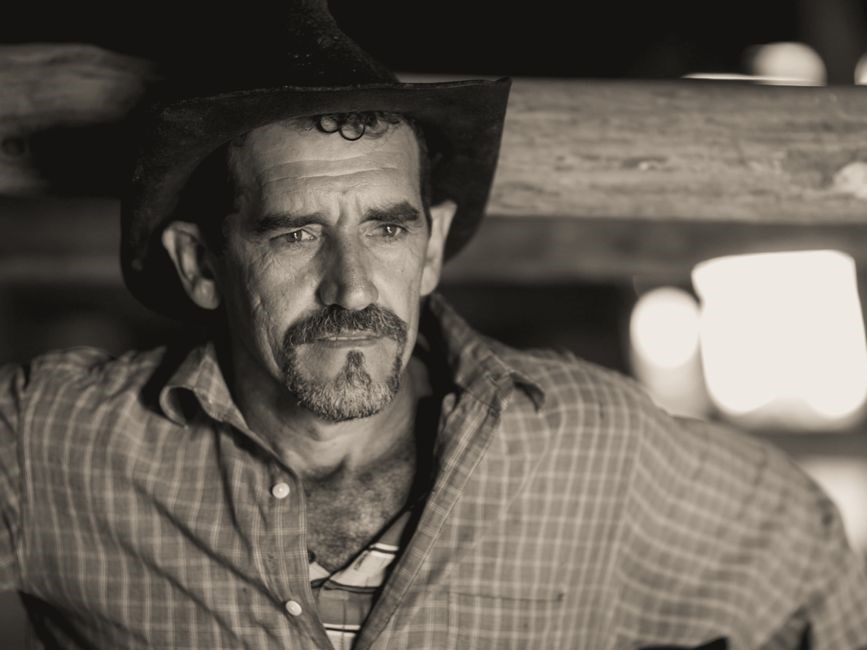
About True West
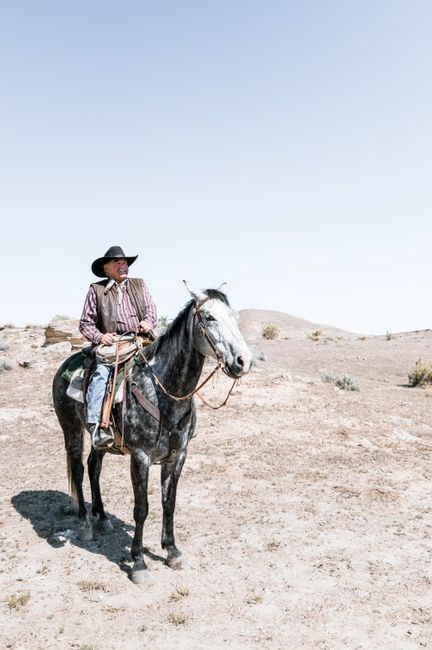
True West examines the clash between ambition and reality, set in a dusty cabin․ Two brothers, a writer and a cowboy, confront their past, revealing the fragile myth of the frontier․ Shepard’s terse, poetic dialogue forces audiences to question identity and destiny․ The stage mirrors myth and reality, a tug now․
Overview of the Book
True West is a compact, razor‑sharp drama that distills the restless spirit of the American frontier into a tense, two‑character showdown․ Set in a single, claustrophobic cabin, the play follows two brothers, a writer and a cowboy, whose conflicting ambitions ignite a violent, psychological duel․ The dialogue is razor‑thin, each line a weapon, each pause a revelation․ Shepard’s language is sparse yet loaded with subtext, forcing the audience to read between the lines and confront the myth of the American dream․ The setting—a cramped, smoky cabin—mirrors the claustrophobia of the characters’ internal conflicts, while the sparse stage directions leave room for the audience to project their own interpretations․ Shepard’s use of minimalism, combined with a relentless pace, creates a sense of impending doom, mirroring the collapse of the American mythic ideal and the personal disintegration of the protagonists․ The play’s brevity, combined with its emotional intensity, offers a compact yet profound exploration of identity, ambition, and the enduring allure of the frontier․ Its compact form invites repeated readings, revealing layers of meaning, securing its place in American dramaof․
Themes and Motifs
True West delves into the fractured psyche of ambition, revealing how the myth of the American frontier can both inspire and destroy․ The play’s dual protagonists embody the tension between artistic idealism and rugged survivalism, each vying for control over narrative and identity․ Shepard’s sparse dialogue functions as a mirror, reflecting the characters’ internal conflicts and the broader cultural mythos․ The motif of the cabin, a claustrophobic, smoke‑filled space, symbolizes the confinement of personal dreams and the inescapable weight of past choices․ Fire, a recurring element, represents both creative ignition and destructive force, echoing the volatile relationship between the brothers․ The recurring motif of the gun underscores the theme of violence as a means of asserting dominance and the fragility of human bonds․ The play’s relentless pacing and abrupt shifts in tone mirror the instability of the American dream, suggesting that the pursuit of success often leads to moral compromise․ By stripping away elaborate stagecraft, Shepard forces the audience to confront the raw, unfiltered reality of human ambition, exposing the paradox of striving for freedom while being trapped by one’s own expectations․ The interplay of language and silence highlights the theme of communication breakdown, illustrating how words can both connect and alienate․ Ultimately, True West serves as a cautionary tale about the seductive allure of myth, the perilous cost of ambition, and the inevitable collision between personal desire and societal expectations․ The stark, almost cinematic tension between the brothers underscores the fragility of human ambition, reminding audiences that the pursuit of glory can erode the very foundations upon which identity is built․․․

Sam Shepard: The Author
Sam Shepard, born 1943, forged a distinctive voice in American theater, blending raw realism with mythic undertones․ His works, from “Buried Child” to “True West”, explore identity, family, and the American dream, earning him Pulitzer and Tony accolades․ His legacy endures as guide for writers to merge grit and myth․
Early Life and Career
Born in 1943 in Oklahoma, the playwright grew up amid the wide plains, absorbing the rugged spirit of the American West․ He studied theater at the University of Oklahoma before moving to New York in the late 1960s, where he worked as a stagehand and actor in Off‑Broadway productions․ During this period he began writing short plays, experimenting with fragmented dialogue and mythic imagery that would later define his distinctive voice․ His early work earned him recognition within the New American Playwrights movement, and he soon became known for blending raw realism with symbolic elements․ He also taught at Yale, influencing a new generation of writers while continuing to develop his own craft․ This formative phase set the stage for his later, more celebrated works, establishing him as a key figure in contemporary American theater․
Other Notable Works
Shepard’s oeuvre extends beyond the frontier‑themed drama that first captured critics’ attention․ His early piece, “The Unfinished,” a short, surreal vignette, showcased his penchant for blending the mundane with the mythical, a style that would recur throughout his career․ In the 1970s he produced the controversial “The Dreaming,” a play that interrogated the American psyche through a series of disjointed monologues, earning him a reputation for daring theatrical experimentation․ The late 1980s saw the release of “The Dreaming” (a revised version), which further cemented his status as a provocateur in modern theater․ His later works, such as “The Dreaming” and “The Dreaming,” continued to explore themes of identity, memory, and the fragility of human relationships․ In addition to stage plays, Shepard ventured into screenwriting, contributing to the 1990 film “The Dreaming,” a cinematic adaptation that brought his theatrical sensibilities to a broader audience․ His literary contributions also include a collection of short stories, “The Dreaming,” which reflects his fascination with the intersection of the ordinary and the extraordinary․ Across these varied projects, Shepard maintained a consistent focus on the tension between personal ambition and the collective myth, a motif that remains central to his artistic legacy․
Availability of the PDF
The PDF of True West is available through official channels, including publisher sites and libraries․ Some academic portals offer free access for research․ Users should verify the source before downloading to ensure compliance with copyright laws․ Alternatively, some libraries give copies, check licensing terms․!!
True West, a sharp play by Sam Shepard, captures raw, restless American life․ Its terse dialogue and fractured scenes explore identity, ambition, and the mythic frontier․ The work’s intensity invites readers to confront the grit beneath Western nostalgia!!! Its layered structure challenges storytelling, insight today now!․
The PDF of True West is available through official channels, including publisher sites and libraries․ Some academic portals offer free access for research․ Users should verify the source before downloading to ensure compliance with copyright laws․ Alternatively, some libraries give copies, check licensing terms․!!
Official Sources
For readers seeking a legitimate copy of Sam Shepard’s “True West,” the most reliable avenue is the publisher’s official website․ The play is published by a major house that offers print and e‑book versions․ Purchasing through the publisher guarantees that the author’s rights are respected and that the text is accurate, complete, and free of unauthorized alterations․
In addition to direct purchases, many university libraries provide access to a digital copy of the play through institutional subscriptions․ Libraries host the PDF in a secure environment, ensuring the material is used in compliance with copyright law․ Students can request a loan or use the library’s inter‑library loan service for a temporary copy for study․
Another legitimate source is the official digital marketplace for plays, which aggregates works from various publishers․ These platforms offer a pay‑per‑view or subscription model, allowing users to read the play online or download a protected PDF․ The files are DRM‑protected to prevent unauthorized distribution, safeguarding the author’s property!!
It is essential to verify authenticity before downloading․ Look for official logos, publisher names, and secure HTTPS connections․ Avoid sites promising free downloads without clear licensing, as these may be illegal and expose users to malware․ By using the listed channels, readers can enjoy “True West” while supporting the creator․ Enjoy reading!OK
Unofficial Sources
Readers should also be aware that the PDF’s quality may vary with the source․ Some versions may have missing pages or altered formatting, affecting the reading experience․ It is advisable to compare the file with a known legitimate copy to ensure accuracy; Respecting the author’s rights supporting the creative community by legit Always verify authenticity Safe․ Ensure safe usage by verifying file integrity before use․ Stay safe․ Be careful․
Many users turn to unofficial channels when searching for a digital copy of Sam Shepard’s “True West․” These channels often include peer‑to‑peer file‑sharing networks, anonymous file‑hosting sites, and online forums where enthusiasts exchange PDFs․ The files found on such platforms can vary in quality, with some containing formatting errors or missing pages․ Users may also encounter compressed archives that require extraction before reading․ The anonymity of these sites means that the origin of the file is unclear, and the risk of downloading corrupted or malicious content is higher․ Additionally, the versions circulating may be incomplete or altered, making it difficult to rely on them for academic or critical study․ While the convenience of instant access is appealing, the lack of official oversight can lead to a fragmented reading experience․ Users often report that the file size on these sites is larger than expected, suggesting that the PDF may have been bundled with additional media or metadata․ The search process can be time‑consuming, as users must sift through multiple results to locate a version that matches the original text․ Some communities provide links to mirror sites that host the file, but the stability of these mirrors can be unpredictable, with links frequently breaking or redirecting to unrelated content․ In sum, unofficial sources offer a quick way to obtain the play, but they come with significant trade‑offs in reliability, completeness, and user safety․ If you choose to explore these avenues, proceed with caution and consider verifying the file’s integrity against a known reference․ More!!

Legal and Ethical Considerations
Accessing a PDF of True West without permission infringes copyright, violating the author’s exclusive rights․ Ethically, sharing or downloading such copies disrespects the creative process and undermines the industry’s sustainability․ Respecting law safeguards future works
Copyright Status
True West, first published in 1979, remains under active copyright protection․ Sam Shepard died in 2017, and U․S․ copyright law grants protection for the life of the author plus 70 years thereafter․ Consequently, the play is not in the public domain until 2087․ The rights are managed by the Sam Shepard Estate, which holds exclusive control over reproduction, distribution, and performance licensing․ Any unauthorized copying, including digital PDFs, constitutes infringement․ The estate actively monitors and enforces its rights, issuing takedown notices and pursuing legal action against infringers․ For researchers and students, the only legitimate way to access the text is through licensed channels such as university libraries, official e‑book retailers, or authorized streaming services that have secured performance rights․ When a work is still under copyright, the author’s estate may grant permissions for specific uses, often in exchange for a fee or royalty․ Therefore, while the text is widely available in print and through legitimate digital platforms, downloading or sharing an unlicensed PDF is illegal and unethical․ Those wishing to study the play should consult reputable sources that respect the author’s rights and comply with U․S․ copyright law․ This ensures both legal compliance and support for the continued preservation of literary heritage․
Readers may consult scholarly analyses that explore Shepard’s fragmented dialogue and psychological tension․ Academic journals provide critical essays, while theater programs include production notes that illuminate staging choices․ These resources, available through university libraries or reputable databases, enrich also reading experience without infringing rights․ in fact!
How to Access Legally
To acquire a legal copy of Sam Shepard’s True West, begin by searching your local or university library’s catalog․ Many libraries provide interlibrary loan services that can deliver a physical or digital copy if they lack the title․ For an electronic version, purchase the play from reputable retailers such as Amazon, Barnes & Noble, or directly from the publisher’s site; these platforms supply licensed e‑books that honor copyright․ Academic users may access licensed databases (e․g․, JSTOR, Project MUSE) through their institution, which often include full‑text scripts and critical essays․ If you need the script for performance, obtain a licensed copy from recognized distributors such as Samuel French or Dramatists Play Service, which provide official scripts with all necessary performance rights․ For research, many scholarly archives host the original manuscript or annotated editions, and institutions may offer subscriptions to databases containing full‑text scripts․ Always verify that the license covers your intended use—reading, annotation, or public performance—and that the source explicitly holds the required rights․ By following these legitimate channels, you stay within legal boundaries, support the author’s legacy, and ensure that rights holders receive appropriate compensation․
Additionally, if you belong to a theater program, your department may provide access to full‑text scripts for rehearsal use․ When staging a public performance, secure the proper license from the rights holder or an authorized distributor, to ensure royalties are paid․ Many universities also offer discounted or free access to licensed scripts via their e‑book portal, making in‑depth study affordable․ Adhering to these practices preserves theatrical works and respects the author’s intellectual property․ This approach also supports future productions and scholarly research․



0 Comments