Singer 328K Sewing Machine Manual: A Comprehensive Guide
Discover a detailed resource for your Singer 328K! This guide offers free PDF downloads‚ service details‚ and troubleshooting tips for optimal sewing performance.

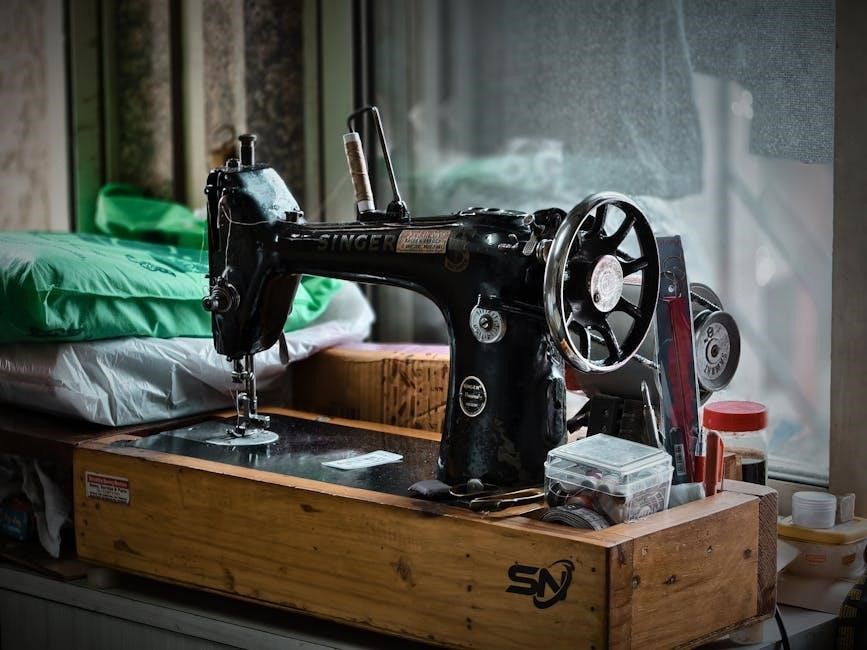
The Singer 328K‚ a robust and reliable sewing machine‚ holds a significant place in sewing history‚ particularly as a popular European model. This machine‚ often compared to its American counterpart the 327K‚ is celebrated for its durability and straightforward mechanics. Understanding its operation requires a dedicated manual‚ and fortunately‚ several resources are readily available as of January 22‚ 2026.
Currently‚ two free PDF manuals – a general manual and a parts list – are accessible online. These resources‚ totaling 78 pages‚ provide essential guidance for users. Whether you’re a seasoned seamstress or a beginner‚ accessing this information is crucial for maintaining and operating your Singer 328K effectively. This introduction sets the stage for a comprehensive exploration of the machine’s features and functionalities.
Historical Context of the 328K Model
The Singer 328K emerged as a key model within Singer’s production line‚ specifically tailored for the European market. Often viewed alongside the 327K‚ it represents a period of Singer’s commitment to providing dependable machines for diverse sewing needs. Its design reflects a blend of practicality and durability‚ characteristics highly valued by home sewers and professionals alike.
Production of the 328K coincided with a growing demand for quality sewing machines post-war‚ establishing it as a staple in many households. The availability of service manuals‚ even today‚ underscores its lasting impact and the continued desire to maintain these machines. Understanding its historical context enhances appreciation for its engineering and enduring legacy within the sewing community.
Availability of Manuals & Resources (as of 01/22/2026)
As of today‚ January 22‚ 2026‚ two Singer 328K manuals are readily available as free PDF downloads: a comprehensive User Manual and a detailed Parts List. A 78-page manual provides extensive operational guidance. Furthermore‚ a combined Service Manual for both the 327K and 328K models is accessible online‚ offering in-depth repair and maintenance information.
Numerous online forums and communities dedicated to vintage sewing machines actively share manuals‚ tips‚ and troubleshooting advice. Printed manuals can also be purchased‚ often professionally bound for durability. Resources exist for related models like the 15k‚ 66k‚ and 201k‚ potentially offering helpful insights. These resources ensure continued support for Singer 328K owners.
Understanding the Machine Components
Explore the Singer 328K’s key parts‚ including needle and presser foot mechanisms‚ bobbin systems‚ and thread paths – vital for smooth operation.
Key Parts Identification
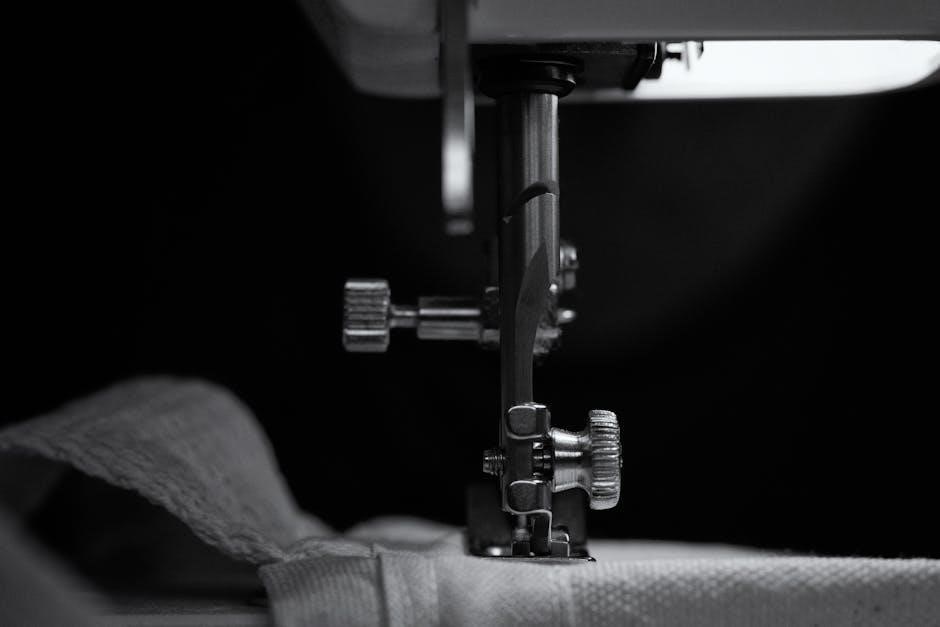
Familiarizing yourself with the Singer 328K’s components is crucial for effective use and maintenance. Key areas include the handwheel‚ responsible for raising and lowering the needle‚ and the spool pin‚ securing the thread supply. The tension discs regulate thread flow‚ impacting stitch quality.
The presser foot applies pressure to the fabric‚ guiding its movement‚ while the feed dogs advance the material during sewing. The bobbin case and shuttle assembly create the interlocking stitches. Don’t overlook the needle clamp and needle bar‚ essential for secure needle placement. Understanding the function of each part‚ like the timing hook‚ detailed in service manuals‚ ensures proper machine function and allows for targeted repairs when needed. Proper identification aids in troubleshooting and part replacement.
Needle and Presser Foot Mechanisms
The Singer 328K’s needle mechanism relies on a precise interplay between the needle bar‚ which drives the needle’s vertical motion‚ and the timing hook‚ crucial for loop formation. Correct needle bar height‚ detailed in service manuals‚ is vital for consistent stitches. The presser foot mechanism controls fabric feed; adjusting pressure ensures even seams.
Different presser feet cater to various fabrics and techniques – a standard foot for general sewing‚ a zipper foot for close stitching‚ and others for specialized tasks. Understanding how the presser foot lifts and lowers‚ and its relationship to the feed dogs‚ is key to achieving desired results. Proper adjustment prevents skipped stitches or fabric bunching‚ ensuring smooth operation.
Bobbin Winding and Insertion
Proper bobbin winding is fundamental to the Singer 328K’s operation. Begin by placing the thread spool on the spool pin and guiding the thread through the tension disc. Engage the bobbin winder and ensure even distribution onto the bobbin – avoid overfilling. The manual details specific winding ratios for optimal performance.
Bobbin insertion requires careful attention. The 328K utilizes a side-loading bobbin system. Ensure the bobbin is correctly oriented‚ with the thread unwinding in the proper direction‚ as illustrated in the manual. A correctly inserted bobbin prevents thread nests and ensures balanced stitch formation. Regularly check the bobbin case for lint and debris.
Thread Path and Tension Control
Understanding the correct thread path is crucial for smooth sewing on the Singer 328K. The manual meticulously illustrates the route from the spool‚ through the tension assembly‚ take-up lever‚ and finally to the needle. Deviations can cause skipped stitches or thread breakage.
Tension control directly impacts stitch quality. The 328K features adjustable tension dials for both the upper and bobbin threads. The manual provides guidance on adjusting tension based on fabric type and thread weight. Incorrect tension results in looping or puckering. Experimentation‚ guided by the manual‚ is key to achieving balanced stitches.
Operating Instructions
Master your Singer 328K with clear‚ step-by-step instructions! Learn basic operation‚ stitch selection‚ reverse techniques‚ and adjustments for perfect results every time.
Powering On and Basic Operation
Initiating operation of your Singer 328K is straightforward. Ensure the machine is connected to a suitable power source – typically standard household electricity. Locate the power switch‚ usually positioned on the machine’s body‚ and toggle it to the ‘on’ position. You’ll likely hear the motor engage‚ indicating power is supplied.
Before commencing sewing‚ always verify the machine is correctly threaded‚ the bobbin is properly inserted‚ and the presser foot is lowered. The foot must be down to engage the sewing mechanism. Gently depress the foot pedal to initiate stitching; the speed is directly proportional to the pedal’s pressure.
Begin with a test stitch on scrap fabric to confirm settings and ensure smooth operation. Familiarize yourself with the handwheel for manual control‚ allowing precise stitch placement and overcoming stubborn fabric layers.
Stitch Selection and Adjustment
The Singer 328K offers a variety of stitch options‚ typically selected via a stitch dial or selector lever. Consult your manual’s stitch guide to understand each stitch’s purpose – straight stitch‚ zigzag‚ and potentially others depending on the specific model variation. Once selected‚ verify the stitch appears correctly on a test fabric.
Adjusting stitch length is usually achieved with a dedicated dial or lever‚ controlling the distance between each stitch. Shorter stitches are ideal for delicate fabrics‚ while longer stitches suit heavier materials. Similarly‚ stitch width‚ applicable to zigzag and decorative stitches‚ is adjusted to alter the stitch’s breadth.
Experiment with different settings to achieve desired results‚ always testing on scrap fabric before working on your final project.
Reverse Stitching Technique
The Singer 328K utilizes a reverse lever or button‚ typically located near the handwheel‚ to enable backstitching. Engaging this lever alters the machine’s mechanism‚ causing it to sew in the opposite direction. This is crucial for securing seams at the beginning and end‚ preventing unraveling.
To reverse stitch‚ begin sewing forward‚ then depress the reverse lever before reaching the seam’s end. Continue stitching backward for a short distance – usually a few stitches – before releasing the lever and resuming forward sewing.
Practice this technique to achieve a neat‚ secure backstitch. Avoid excessively long reverse stitching‚ as it can create bulkiness. Refer to your manual for specific guidance on your 328K model.
Adjusting Stitch Length and Width
The Singer 328K offers adjustable stitch length and width‚ controlled by dials or levers on the machine’s faceplate. Stitch length determines the distance between each stitch‚ impacting seam strength and appearance. Shorter stitches are ideal for delicate fabrics‚ while longer stitches suit heavier materials.
Width adjustment controls the zigzag pattern’s breadth. A narrower width creates a straight stitch‚ while increasing it produces a wider zigzag‚ useful for decorative stitching or preventing fabric fraying.
Experiment with different settings on scrap fabric to understand their effects. Consult your manual for specific dial markings and recommended settings for various fabrics and applications.

Maintenance and Troubleshooting
Ensure longevity with regular cleaning and oiling! This section details procedures for common issues like thread breakage and skipped stitches‚ aiding smooth operation.
Regular Cleaning Procedures
Maintaining your Singer 328K requires consistent cleaning to prevent lint and debris buildup‚ which can significantly impact performance; Begin by disconnecting the power source. Use a soft brush – a small paintbrush works well – to gently remove lint from the bobbin area‚ feed dogs‚ and around the needle plate. A vacuum cleaner with a brush attachment can also be utilized for more thorough removal.
Pay close attention to areas inaccessible by brushing‚ using a lint roller or a piece of cloth. Wipe down the exterior surfaces with a slightly damp cloth; avoid harsh chemicals or abrasive cleaners. Regularly cleaning ensures smooth fabric feeding and prevents potential mechanical issues‚ extending the life of your machine. Consistent upkeep is key to reliable sewing!
Oiling and Lubrication Guide
Proper lubrication is crucial for the Singer 328K’s smooth operation and longevity. Disconnect the power before any oiling procedure. Use only sewing machine oil – never household oil – as it’s formulated for these mechanisms. Key oiling points include the bobbin race‚ the shuttle hook‚ and all visible moving parts within the machine’s body.
Apply oil sparingly‚ using a needle oiler for precision. Wipe away any excess oil to prevent attracting lint. The service manual details specific lubrication points‚ including the motor and timing mechanisms. Regular oiling‚ combined with cleaning‚ minimizes friction‚ reduces wear‚ and ensures consistent stitch quality. Avoid over-oiling‚ as it can cause build-up and attract dust.
Troubleshooting Common Issues (Thread Breakage)
Frequent thread breakage on your Singer 328K often indicates a threading issue. Re-thread the machine carefully‚ ensuring the thread is properly seated in the tension discs and guides. Check the needle; a bent or damaged needle can cause breaks. Also‚ verify you’re using the correct needle type and size for your fabric weight.
Incorrect tension is another common culprit. Adjust the upper tension dial incrementally. Ensure the bobbin is wound evenly and inserted correctly. Finally‚ lint buildup within the tension assembly can impede smooth thread flow; clean this area thoroughly. Consult the service manual for detailed diagrams of the threading path and tension mechanism.
Troubleshooting Common Issues (Skipped Stitches)
Skipped stitches on your Singer 328K frequently point to needle issues. Confirm the needle is correctly inserted – it should be fully seated and facing the right direction. A dull or bent needle is a primary cause; replace it with a new one of the appropriate type and size for your fabric. Ensure the needle isn’t damaged by hitting a pin or thick seam.
Timing problems can also lead to skipped stitches‚ requiring service manual guidance for adjustment. Check the presser foot pressure; insufficient pressure may cause fabric to lift. Finally‚ verify the thread is properly threaded and the bobbin is correctly installed and wound evenly. Refer to the manual’s diagrams for correct setup.

Advanced Features & Techniques
Explore timing hook adjustments‚ needle bar height‚ wiring diagrams‚ and motor inspection – crucial for maintaining peak performance of your Singer 328K machine.
Understanding Timing Hook Adjustment
The timing hook is a critical component influencing stitch formation in the Singer 328K. Proper adjustment ensures the hook accurately catches the thread loop created by the needle. Incorrect timing leads to skipped stitches or poor stitch quality. Service manuals detail precise procedures for verifying and adjusting this timing.
Adjustment typically involves loosening a set screw and carefully rotating the hook assembly. Observing the relationship between the needle and hook at specific points in the sewing cycle is essential. Diagrams within the service manual illustrate these critical alignment points. Precise measurements and a keen eye are necessary for successful timing adjustments.
Remember to always disconnect the power before attempting any internal adjustments. Refer to the service manual for specific torque specifications when tightening the set screw after adjustment. Improper tightening can cause the adjustment to shift‚ requiring re-adjustment.
Needle Bar Height and Location
Correct needle bar height is paramount for consistent stitch formation on the Singer 328K. The service manual provides detailed instructions and diagrams for verifying and adjusting this crucial element. Incorrect height impacts loop capture by the hook‚ resulting in skipped stitches or uneven seams.
Adjustment involves loosening a set screw and carefully raising or lowering the needle bar. Specific measurements‚ relative to the throat plate‚ are outlined in the manual. Precise alignment is vital; even slight deviations can affect sewing performance. The needle’s position during its full cycle must be observed.
Location‚ or lateral alignment‚ is equally important. The needle must move vertically without binding. Refer to the service manual’s illustrations to ensure proper alignment. Always disconnect power before making adjustments and re-tighten screws to specified torque values.
Wiring Diagram Overview
The Singer 328K’s wiring diagram‚ found within the service manual‚ is essential for electrical troubleshooting and repairs. It details the connections between the motor‚ foot controller‚ light‚ and other components. Understanding color codes and component symbols is crucial for safe and effective diagnosis.
The diagram illustrates the power supply path‚ switch connections‚ and grounding points. Carefully trace the wires to identify potential breaks or shorts. Note the motor’s winding configuration and capacitor placement. Always disconnect the machine from power before working on the electrical system.
The service manual provides a clear visual representation of the wiring harness. Refer to it when replacing components or diagnosing electrical faults. Incorrect wiring can damage the machine or pose a safety hazard. Proper insulation and secure connections are vital for reliable operation.
Motor Removal and Inspection
Removing the Singer 328K’s motor requires disconnecting the wiring and releasing the mounting bracket. Consult the service manual for detailed steps and diagrams. Carefully label all wires before disconnecting to ensure correct reassembly. Support the motor during removal to prevent damage to the wiring or housing.
Inspection involves checking the brushes for wear‚ cleaning the commutator‚ and testing the windings for continuity. Worn brushes should be replaced to maintain optimal motor performance. A dirty commutator can cause sparking and reduced power. Use a specialized commutator cleaning stone for best results.
Examine the motor’s bearings for smoothness and any signs of wear or noise. If the bearings are faulty‚ the motor may need professional servicing. Ensure proper lubrication before reinstalling the motor. Always test the motor after reassembly to confirm proper operation.
Service Manual Details
Access comprehensive diagrams and timing adjustments for the 327K/328K models. Find detailed parts lists and decoding instructions within the service manual resources.
Accessing the 327K & 328K Service Manual
Locating the Singer 327K and 328K service manual is now easier than ever‚ thanks to readily available online resources. Several websites offer free PDF downloads of this invaluable document‚ providing detailed schematics and repair instructions. These manuals‚ often encompassing 48 pages and around 6MB in size‚ are essential for anyone undertaking repairs or in-depth maintenance.
Furthermore‚ professionally bound versions with comb binding and protective plastic covers are also available for purchase‚ offering a durable and convenient format. These manuals cover critical areas like timing hook adjustments‚ needle bar height‚ wiring diagrams‚ and motor removal procedures‚ ensuring a thorough understanding of the machine’s inner workings. Don’t hesitate to explore these options to unlock the full potential of your Singer 328K!
Decoding Service Manual Diagrams
Understanding the Singer 327K & 328K service manual diagrams requires a systematic approach. These diagrams meticulously illustrate the machine’s internal components and their relationships‚ crucial for accurate repairs and adjustments. Pay close attention to the numbering system‚ which corresponds to a detailed parts list within the manual.
Trace the flow of motion and energy through the diagrams‚ focusing on areas like the timing hook‚ needle bar‚ and motor connections. Familiarize yourself with the symbols used to represent different parts and functions. Successfully interpreting these diagrams empowers you to perform complex tasks like timing adjustments and motor inspections‚ ensuring your Singer 328K operates smoothly and efficiently. Careful study is key to unlocking the manual’s full potential!
Timing Adjustments (Service Manual Focus)
The Singer 327K & 328K service manual dedicates significant detail to timing adjustments‚ vital for consistent stitch formation. Incorrect timing leads to skipped stitches or poor fabric feed. The manual guides you through checking and adjusting the timing hook’s position relative to the needle.
Specifically‚ it illustrates how to align the hook with the needle’s eye at the correct point in the sewing cycle. Precise adjustments are made using specialized tools and following the manual’s step-by-step instructions. Refer to the diagrams carefully‚ as even slight deviations can impact performance. Mastering timing adjustments‚ as outlined in the service manual‚ restores optimal functionality to your Singer 328K.

Parts List and Identification (Service Manual)
The Singer 327K & 328K service manual includes a comprehensive parts list‚ crucial for repairs and maintenance. Each component is identified with a specific part number‚ facilitating accurate ordering of replacements. Detailed exploded diagrams illustrate the assembly of the machine‚ showing the location of each part.
This section covers everything from the smallest screws to major components like the motor‚ hook‚ and feed dog. Proper identification is essential to ensure compatibility when sourcing parts. The manual’s parts list streamlines the repair process‚ allowing technicians and enthusiasts to quickly locate and replace worn or damaged components‚ restoring the Singer 328K to full working order.
Resources and Downloads
Access free PDF manuals‚ explore online forums‚ and find printed copies for your Singer 328K – comprehensive support is readily available online!
Free PDF Manual Downloads
Fortunately‚ several sources offer free PDF downloads of the Singer 328K manual. Currently‚ two manuals are readily accessible: a comprehensive user manual spanning 78 pages‚ and a dedicated parts list for easy component identification. These digital resources provide immediate access to essential information for operating and maintaining your machine.
Additionally‚ the Singer 327K and 328K service manual is available as a PDF‚ offering in-depth technical details. Websites host these files‚ allowing users to download and study diagrams‚ timing adjustments‚ and parts lists at their convenience. These downloadable PDFs empower owners to confidently tackle repairs and ensure their Singer 328K remains in peak working condition‚ saving both time and expense.
Online Forums and Communities
Beyond downloadable manuals‚ vibrant online forums and communities dedicated to vintage sewing machines – particularly Singer models – offer invaluable support. These platforms connect owners of the 328K‚ fostering a collaborative environment for sharing knowledge‚ troubleshooting issues‚ and exchanging tips.
Members frequently post scans of original manuals‚ supplemental documentation‚ and even offer assistance with complex repairs. These communities are excellent resources for deciphering service manual diagrams‚ understanding timing adjustments‚ and identifying obscure parts. Engaging with fellow enthusiasts can provide personalized guidance and unlock the full potential of your Singer 328K‚ extending its lifespan and enjoyment.
Purchasing Printed Manuals
While numerous free PDF versions of the Singer 328K manual and related service documentation are readily available‚ some users prefer the tactile experience and durability of a professionally printed copy. Several vendors specialize in restoring and rebinding original Singer service manuals‚ offering a high-quality‚ long-lasting resource.
These printed manuals‚ often comb-bound with protective plastic covers‚ are ideal for frequent use in a workshop environment. They eliminate the need for a computer or tablet and provide a clear‚ easily accessible reference guide. Expect to pay a premium for these professionally prepared manuals‚ but the convenience and preservation value can be worthwhile for dedicated Singer 328K owners.
Singer 328K vs. 327K: Key Differences
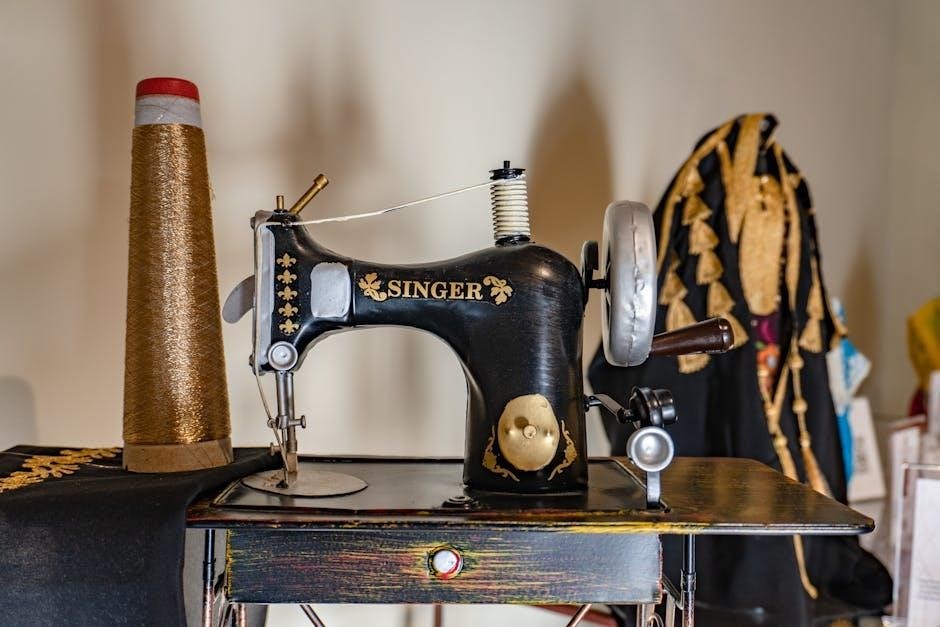
The Singer 328K and 327K sewing machines share a remarkable degree of similarity‚ often leading to interchangeable use of manuals and parts. However‚ subtle distinctions exist. Both models fall under the “slant shank” family‚ but the 328K is generally recognized as the European variant‚ while the 327K was primarily sold in other markets.
Crucially‚ service manuals frequently cover both models (327K and 328K) simultaneously‚ acknowledging their close relationship. Any specific instructions unique to either machine are clearly delineated within the documentation. Owners can confidently utilize a combined 327K/328K service manual for maintenance and repair procedures‚ understanding that the core mechanics are largely identical.



0 Comments